Frequently Asked Questions
The most-asked questions about motor sports.
What exactly is motor sports?
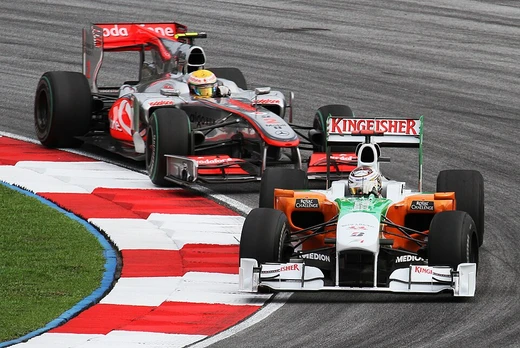
Motor sports is the umbrella term for competitive racing events involving automobiles, motorcycles, and other motorized vehicles. It encompasses everything from single-seater formula cars to stock car ovals, rally stages, and endurance circuits.
What are the biggest series in motor sports worldwide?
Formula 1, MotoGP, NASCAR, and the World Rally Championship are generally considered the four most globally recognized competitions. IndyCar, Formula E, and the 24 Hours of Le Mans also draw enormous international audiences.
Who are the most iconic figures in racing history?
Names like Ayrton Senna, Michael Schumacher, and Lewis Hamilton define modern single-seater racing, while Dale Earnhardt and Richard Petty shaped stock car culture. On the motorcycle side, Giacomo Agostini and Valentino Rossi remain household names.
Where should a complete beginner start watching?
A good entry point is tuning in to a single Formula 1 Grand Prix or a NASCAR Cup Series race, as both offer extensive free coverage and straightforward commentary. From there, fans can branch into rally, endurance, or motorcycle racing based on which style appeals to them.
How does a racing team differ from a solo athlete in other sports?
In motor sports, the driver is one component of a larger engineering and strategy operation that includes designers, strategists, pit crews, and data analysts. Decisions about tire compounds, fuel loads, and pit-stop timing often matter as much as raw driving speed.
What safety measures protect drivers at high speeds?
Modern cars feature crash structures such as the FIA-mandated halo device, energy-absorbing materials, and fire-resistant suits rated for extreme temperatures. Trackside safety has also improved dramatically with run-off areas, barriers, and medical response systems positioned along every circuit.
What are some of the most legendary moments in racing?
Ayrton Senna's 1994 Imola qualifying lap, the 1976 F1 season finale between Hunt and Lauda, and the 2008 Le Mans 24 Hours decided by a single second are often cited as defining moments. In NASCAR, the 1997 Daytona 500 crash involving Dale Earnhardt Sr. remains one of the sport's most discussed events.
How long is a typical racing season?
Formula 1 runs roughly 23 rounds across ten months, while NASCAR's Cup Series schedules around 36 races from February to November. Motorcycle and rally calendars vary, but most top-level series operate on a similar eight-to-twelve-month cycle.
What is the difference between circuit racing and rally racing?
Circuit racing takes place on a fixed, closed track that drivers loop repeatedly, while rally racing covers point-to-point stages on public or private roads with changing surfaces. Rally demands adaptability to gravel, snow, and tarmac within a single event, whereas circuit racing rewards consistency on one layout.
Why do motor sports attract such passionate global fanbases?
The combination of extreme speed, split-second decision-making, and the visible risk to human life creates an intensity that few other sports replicate. Fans also connect deeply with the engineering rivalry between teams and the personal narratives of drivers, making each season feel like a serialized story.